Text & Language Models
01 / 05Integration of GPT, Claude, Gemini, and open-source LLMs (Llama, Mistral) into application logic, including prompt architecture, function calling, and context management for long-running sessions.
We design, build, and optimise AI model integration architectures that connect large language models, vision models, and voice models into a single production system — from single-model API wiring to full multi-model orchestration layers.
AI model integration is the discipline of connecting one or more AI models — large language models, vision models, speech models, and embedding models — into your existing product, data, and infrastructure so they operate as part of the system, rather than as a loosely wired API add-on.
Model integration has three areas of focus: the connection layer, which handles APIs, SDKs, authentication, and rate limiting for each model provider; the orchestration layer, which handles routing, fallbacks, and model selection; and the operational layer, which covers monitoring, cost tracking, and evaluation once the system is live. As an integration agency, we treat all three as one job, not separate projects handed off between teams.
Coralsoft delivers multimodal AI integration services across the model types businesses use most — often within the same product.
Integration of GPT, Claude, Gemini, and open-source LLMs (Llama, Mistral) into application logic, including prompt architecture, function calling, and context management for long-running sessions.
Vision-language models for image understanding, OCR, visual QA, and content moderation, wired into existing document, media, or user-generated content pipelines.
Speech-to-text, text-to-speech, and real-time voice integration for call-centre automation, voice assistants, and transcription, with latency optimisation for conversational use.
Text, image, and audio models combined within a single reasoning pipeline — for example, a support system that reads a screenshot, transcribes a voice note, and responds in context across both.
Embedding models integrated with vector databases (Pinecone, Weaviate, pgvector) for semantic search, RAG pipelines, and recommendation systems alongside your primary generative models.
Multi-model integration is an architecture decision before it is an engineering task. The choices made here determine your system's latency profile, cost ceiling, and resilience to any single provider's outage or pricing change.
We build a routing layer that selects the right model per request — based on task complexity, cost budget, latency requirement, or data sensitivity — rather than hard-coding a single provider into application logic. This is the core of any serious model integration strategy: it lets you swap, combine, or fall back between models without a rewrite.
A single internal interface abstracts away provider-specific SDKs, authentication schemes, and response formats, so application code calls one contract regardless of which model answers the request behind it.
We implement request batching, response caching, prompt compression, and model-tiering (cheap model first, escalate on low confidence) to keep per-query cost and response time within budget as volume scales.
Every integration ships with automated evaluation sets, drift monitoring, and cost-per-query dashboards — so degradation in output quality or a silent cost spike is caught before a customer notices.
| Layer | Components | Technology Examples |
|---|---|---|
| Model Layer | Commercial and open-source models | OpenAI, Anthropic, Gemini, vLLM, Together AI |
| Routing Layer | Orchestration, fallback, model-tiering | LangChain, LlamaIndex, custom orchestration |
| Retrieval Layer | Vector search for embeddings and RAG | Pinecone, Weaviate, pgvector |
| Caching | Response and prompt caching | Redis |
| Observability | Cost, drift, and quality monitoring | Datadog, Langfuse |
Wiring a single API into a product is straightforward and often the right starting point. Multi-model integration becomes necessary once a product depends on more than one capability — text plus vision, or reasoning plus retrieval — or once cost, latency, or vendor risk make a single-provider dependency untenable. This is a resilience and cost decision, not a feature checklist.
We follow a structured five-stage process built specifically for connecting AI models into live systems without disrupting what already works.
We map your current model usage (if any), data flows, latency and cost constraints, and compliance requirements before selecting an integration approach.
We define the orchestration layer, select primary and fallback models for each task, and document the trade-offs — cost, quality, latency — for each decision.
API wiring, prompt engineering, RAG pipeline construction where relevant, and orchestration logic, delivered in two-week sprints with working demos.
Automated evaluation against your task benchmarks, adversarial and edge-case testing, and load testing under production-representative traffic.
Phased rollout, cost and quality monitoring from day one, and a 30-day hypercare period, followed by ongoing model performance review as providers update their models.
Text, vision, and voice combined for tickets that arrive as screenshots, voice notes, or mixed-format threads.
Data residency and PII redaction requirements that rule out a single, uncontrolled third-party API dependency.
Embedding-based semantic search and recommendation layered alongside a generative assistant.
Vision and speech models integrated for scanned records and dictation, grounded via retrieval over clinical data.
Vision and language models combined for moderation, tagging, and content generation at scale.
Retrieval and reasoning models orchestrated together to ground answers in internal documentation.
Coralsoft works as an integration optimisation agency, not a single-vendor reseller — our incentive is a system that performs, not a specific provider's API footprint in your codebase.
We integrate OpenAI, Anthropic, Google, and open-source models on equal terms, and architect systems so switching or combining providers is a configuration change, not a rebuild.
Our orchestration layers are built for failover, load distribution, and graceful degradation — a model outage or rate limit does not take your product down.
We instrument cost-per-query tracking from day one and design model-tiering and caching strategies that keep spend predictable as usage scales.
We architect integrations with data residency, PII redaction, and private or on-premise model deployment options for regulated industries where sending data to third-party APIs is not an option.
Coralsoft has integrated and optimised AI model stacks across products where reliability, cost, and accuracy all had to hold at once.
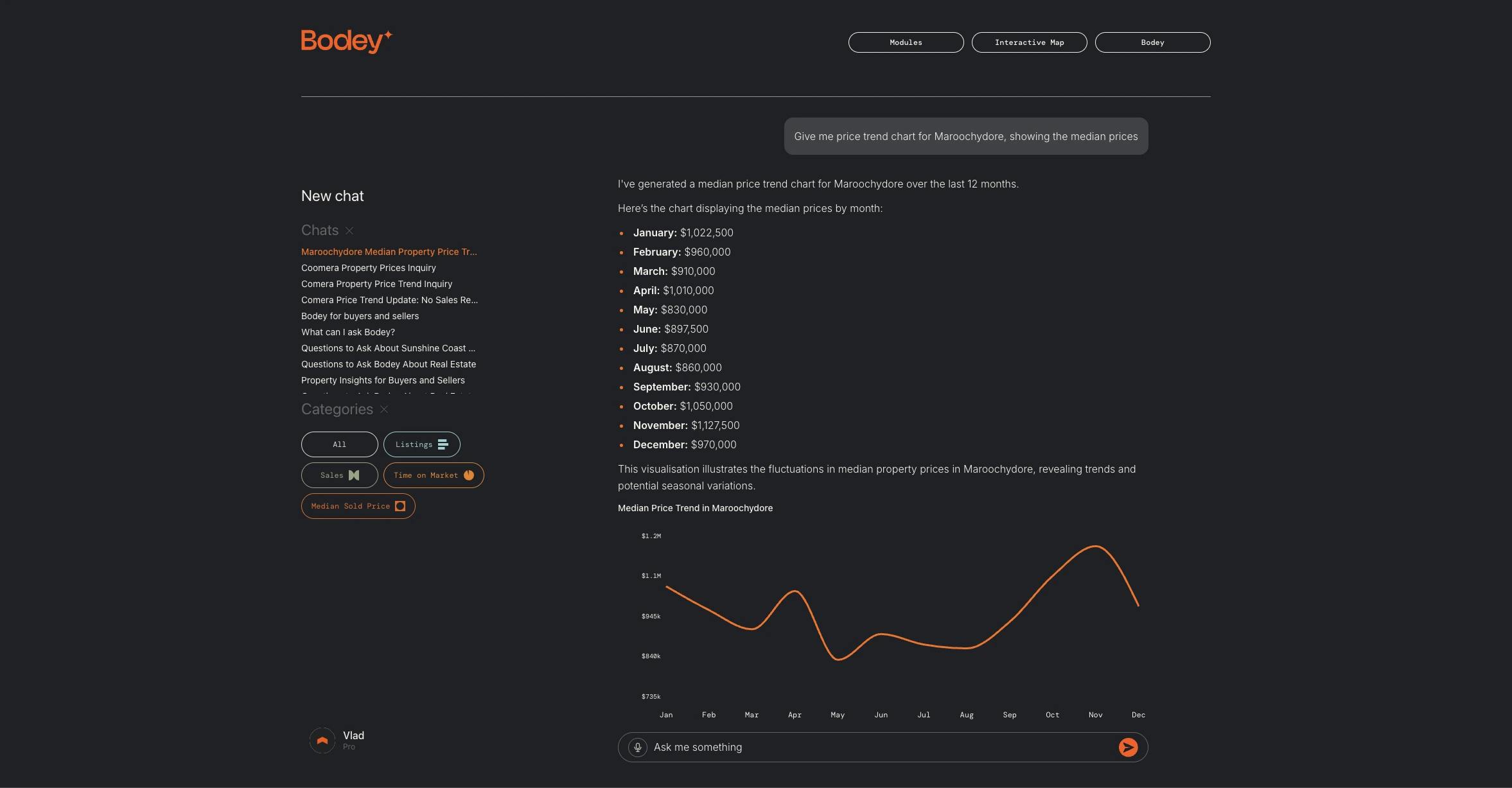
A production real-estate intelligence SaaS for the Sunshine Coast property market. Bodey — the on-platform AI assistant — answers natural-language questions about live sales, listings, and time-on-market data via a streaming tool-call pipeline, with Stripe billing, an operator admin panel, and an interactive property map.
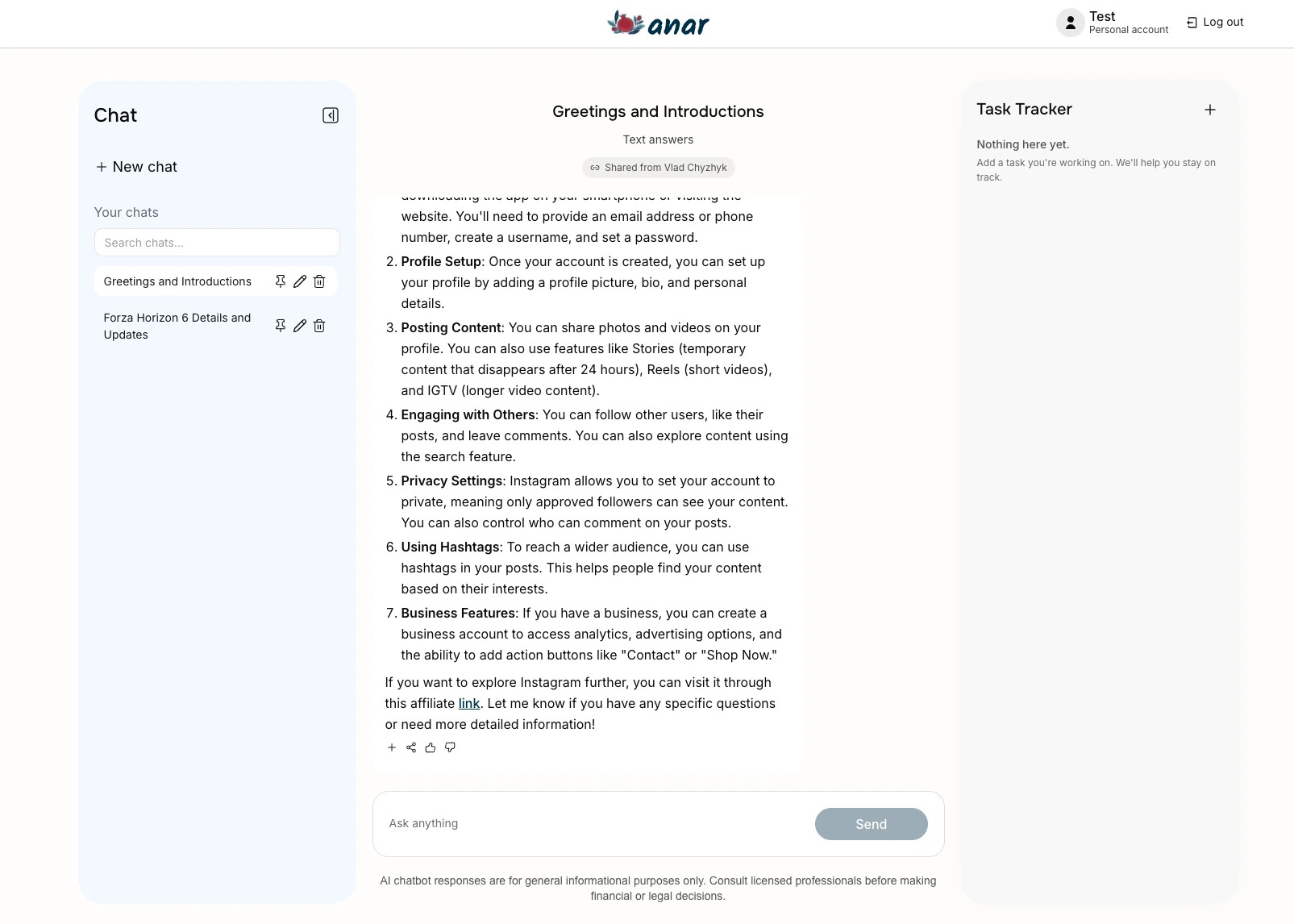
A production AI financial assistant for Non-Resident Indians navigating NRE/NRO banking, FEMA rules, tax-treaty questions, mutual funds and long-term planning — built as a full-stack platform with a streaming chatbot, RAG knowledge pipeline, personalisation, task tracking, billing and admin.
We structure integration engagements to match the maturity of your existing AI stack — from a first single-model integration to a full multi-model optimisation overhaul.
One model, wired in and monitored. Typically $8,000–$25,000 and 3–6 weeks. Best as a first step before adding orchestration.
Multiple models, routing, fallback, and evaluation pipelines. Typically $30,000–$120,000+ and 8–16 weeks, depending on pipeline complexity and compliance scope.
Ongoing optimisation as providers update models and usage scales — cost-tiering, caching, and evaluation tuning.
The questions teams ask most before connecting their AI stack. Anything else, ask us directly.
Tell us which models you need working together. We will map the routing, fallback, and monitoring layers, and give you a realistic cost estimate — in one 45-minute call. No obligation.